From Surviving to Empowering: Stories from Women Paralegals at the Grassroots
Keadilan GenderJanuary 29, 2026
Dewi Setiawan
In remote villages across northern Sumatra and rural West Java, change begins with women who step forward. Drawing from their own lived experiences of gender-based violence, child marriage, and legal exclusion, these women serve as paralegals with Federasi Serikat Pekka—helping others access justice, legal identity, and basic services. With support from Pundi Asa, their grassroots work creates ripples of impact that strengthen entire communities.
In three remote villages located in northernmost Sumatra and rural West Java, some women, who were victims of the systemic problems in their communities, stepped up so other women and children do not have to go through the same struggles. These women had personally experienced or at the very least witnessed persistent issues around them, from gender-based violence, child marriage, to undocumented marriages and births, which in turn have limited women’s and children’s access to basic services. Case by case, they are breaking the cycle for members of their communities with their roles as paralegals in Federasi Serikat Pekka.
These women take pride in serving their communities, carving out time for others despite their full-time job as farmers, factory workers, and more. Imas, one of the paralegals from Cianjur, shared that her fulfillment comes from moments like the time someone sought her out just to express their gratitude for the help she offered years ago, saying that the difference she made continues to shape their life even now.
“It’s a source of pride for me. At first, I didn’t know anything and didn’t have the skills, but after becoming a paralegal and receiving training, alhamdulillah, I can now be of help to others,” she said, crying tears of joy and gratitude as she recalled the story.
Unlike in big cities, issues in remote areas are far more complex. Gender-based violence is oftentimes still a distant concept. Many do not know that it is against the law and those who do often stay silent out of shame or simply not knowing what to do or where to turn. Child marriage remains common in some areas despite existing regulations. Many children are unable to attend school or access healthcare because they do not have birth certificates, a basic document that should be universal but is still widely missing and overlooked, often because their parents’ marriages were never legally registered and more importantly, because there is no one to guide them through the process.
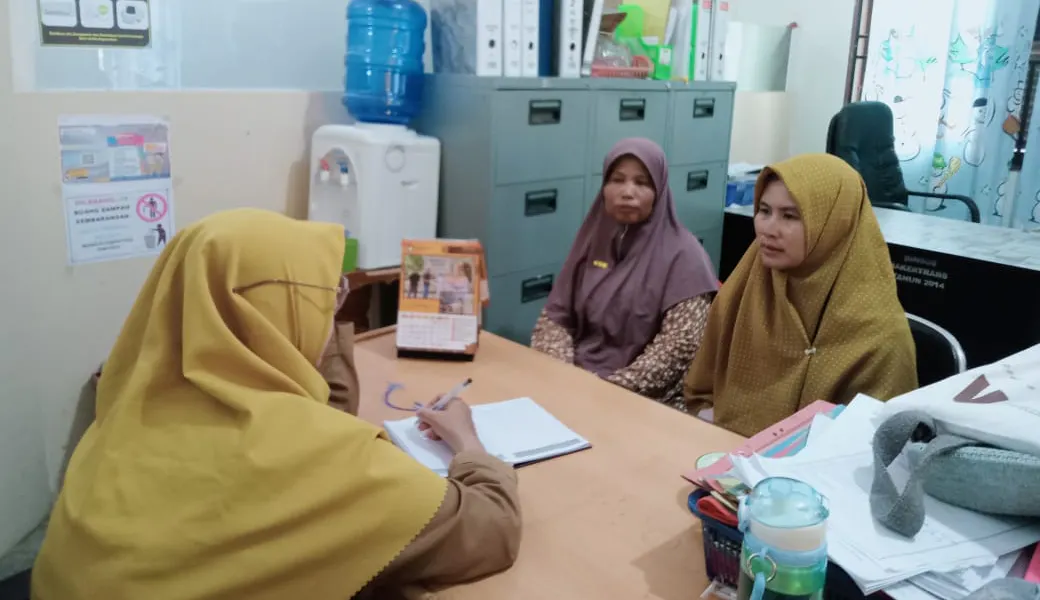
Therefore in these villages, these women’s work is very foundational and the impact truly ripples outward like water. As paralegals, they guide parents through isbat nikah so their marriage can be legally registered and their children can obtain the legal identity needed to be able to go to school and receive the care they deserve. When cases like gender-based violence arise, they are the first to respond. They go above and beyond to ensure survivors receive the support they need throughout the process, from traveling to courts located far from the village, accompanying survivors to medical facilities when necessary, to facilitating processes within the family if needed.
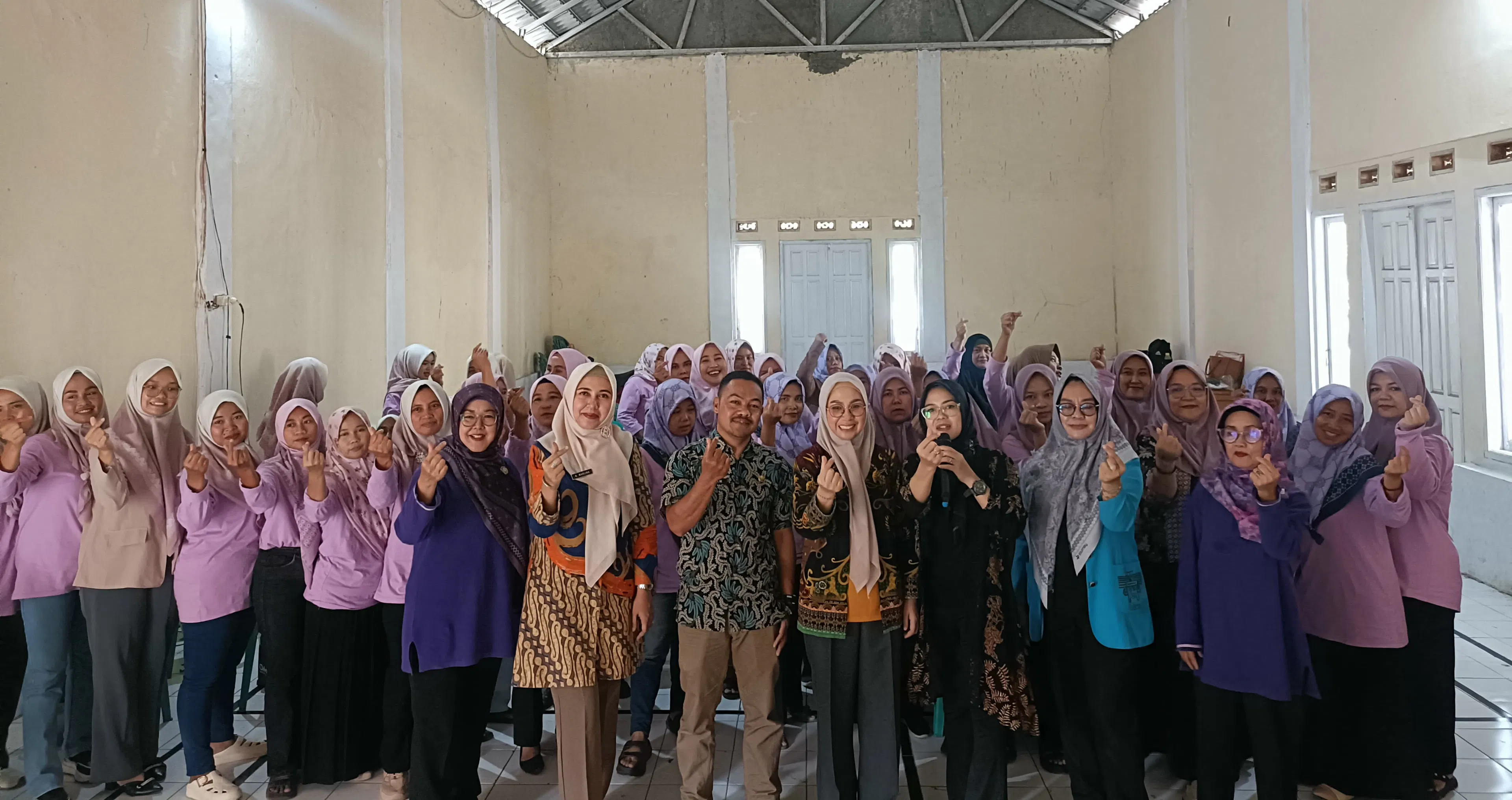
Additionally, they regularly convene ibu-ibu (women) and educate them about their rights, be it as a woman, as a wife, as a divorcee, as a parent, and more.
Nenti, one of the ibu-ibu who is now a paralegal, said, “I finally learned about both my rights and responsibilities. Before this, all I ever knew were my responsibilities, responsibilities, responsibilities.”
More testimonies like this continue to surface as they were able to gather more than 350 women across villages to empower them with knowledge in just 6 months.
Previously, they often had to rely on personal resources, an especially heavy burden for these women given the high costs of travel to distant courts, government offices, hospitals, or other villages, and other expenses incurred in the process. These costs added up quickly, often stretching their own finances and limiting how far they could go to help.
With organizational support, 5 paralegals in Aceh Tamiang (Aceh), 9 paralegals in Cianjur (West Java), and 7 paralegals in Sukabumi (West Java) are able to continue their work at the community level and expand the reach of their service.
Idah, one of the paralegals from Sukabumi, said, “... we feel more motivated. We can now reach many of the remote villages like Jampang, Cibadak, all the way to difficult-to-reach areas such as Neglasari...”
“We feel acknowledged, and it gives us more courage and confidence in carrying out our work”, Linda from Aceh Tamiang added.
With the outsized impacts created in these three villages, they are proving one thing: when women at the grassroots are recognized and equipped, the entire communities move forward. Today, women paralegals like Imas, Idah, and Nenti are not only helping others navigate the legal system, they are reshaping how justice is accessed in their own communities. Neighbors who once felt isolated now know where to turn.
As these women continue their journey, their stories reflect a broader shift, from survival to leadership, from silence to agency. Their impact reaches beyond individual cases, laying the groundwork for more inclusive and accessible justice at the grassroots level.
In three remote villages located in northernmost Sumatra and rural West Java, some women, who were victims of the systemic problems in their communities, stepped up so other women and children do not have to go through the same struggles. These women had personally experienced or at the very least witnessed persistent issues around them, from gender-based violence, child marriage, to undocumented marriages and births, which in turn have limited women’s and children’s access to basic services. Case by case, they are breaking the cycle for members of their communities with their roles as paralegals in Federasi Serikat Pekka.
These women take pride in serving their communities, carving out time for others despite their full-time job as farmers, factory workers, and more. Imas, one of the paralegals from Cianjur, shared that her fulfillment comes from moments like the time someone sought her out just to express their gratitude for the help she offered years ago, saying that the difference she made continues to shape their life even now.
“It’s a source of pride for me. At first, I didn’t know anything and didn’t have the skills, but after becoming a paralegal and receiving training, alhamdulillah, I can now be of help to others,” she said, crying tears of joy and gratitude as she recalled the story.
Unlike in big cities, issues in remote areas are far more complex. Gender-based violence is oftentimes still a distant concept. Many do not know that it is against the law and those who do often stay silent out of shame or simply not knowing what to do or where to turn. Child marriage remains common in some areas despite existing regulations. Many children are unable to attend school or access healthcare because they do not have birth certificates, a basic document that should be universal but is still widely missing and overlooked, often because their parents’ marriages were never legally registered and more importantly, because there is no one to guide them through the process.
Therefore in these villages, these women’s work is very foundational and the impact truly ripples outward like water. As paralegals, they guide parents through isbat nikah so their marriage can be legally registered and their children can obtain the legal identity needed to be able to go to school and receive the care they deserve. When cases like gender-based violence arise, they are the first to respond. They go above and beyond to ensure survivors receive the support they need throughout the process, from traveling to courts located far from the village, accompanying survivors to medical facilities when necessary, to facilitating processes within the family if needed.
Additionally, they regularly convene ibu-ibu (women) and educate them about their rights, be it as a woman, as a wife, as a divorcee, as a parent, and more.
Nenti, one of the ibu-ibu who is now a paralegal, said, “I finally learned about both my rights and responsibilities. Before this, all I ever knew were my responsibilities, responsibilities, responsibilities.”
More testimonies like this continue to surface as they were able to gather more than 350 women across villages to empower them with knowledge in just 6 months.
Previously, they often had to rely on personal resources, an especially heavy burden for these women given the high costs of travel to distant courts, government offices, hospitals, or other villages, and other expenses incurred in the process. These costs added up quickly, often stretching their own finances and limiting how far they could go to help.
With organizational support, 5 paralegals in Aceh Tamiang (Aceh), 9 paralegals in Cianjur (West Java), and 7 paralegals in Sukabumi (West Java) are able to continue their work at the community level and expand the reach of their service.
Idah, one of the paralegals from Sukabumi, said, “... we feel more motivated. We can now reach many of the remote villages like Jampang, Cibadak, all the way to difficult-to-reach areas such as Neglasari...”
“We feel acknowledged, and it gives us more courage and confidence in carrying out our work”, Linda from Aceh Tamiang added.
With the outsized impacts created in these three villages, they are proving one thing: when women at the grassroots are recognized and equipped, the entire communities move forward. Today, women paralegals like Imas, Idah, and Nenti are not only helping others navigate the legal system, they are reshaping how justice is accessed in their own communities. Neighbors who once felt isolated now know where to turn.
As these women continue their journey, their stories reflect a broader shift, from survival to leadership, from silence to agency. Their impact reaches beyond individual cases, laying the groundwork for more inclusive and accessible justice at the grassroots level.

